How to Prepare Your Classic Car for Winter Storage: A Step-by-Step Guide
Winter asks a lot of a classic car. Damp air creeps into seams, wiring and trim, fuel goes stale in the tank, and a battery that felt perfectly healthy in September can be flat by the middle of January. Leave a car unprepared in a cold garage and you will spend the first warm weekend of spring freeing off seized brakes, chasing electrical gremlins or wondering where that smell in the carpets came from.
None of the work below is difficult, and most of it takes an afternoon. Do it properly and the car comes out of storage much the way it went in.
Start With a Thorough Clean
Grime holds moisture against paint and chrome, and food crumbs and dust invite mould. Wash the car on a dry day and let it dry fully before it goes anywhere near a cover.
- Use a pH-neutral car shampoo rather than washing-up liquid, which strips wax.
- Hose the underside and wheel arches to shift mud and any road salt, then let everything drain.
- Dry the door shuts, the boot channel, around badges and behind the bumpers — the places water sits unnoticed.
- Apply a decent wax or sealant, then polish the chrome.
- Vacuum the interior, clean the carpets and treat leather with a proper conditioner. Mould feeds on dust and body oils.
- Take floor mats out of the car rather than leaving them in place.
A clean car also makes it far easier to spot a new blister of rust or a leaking seal when you check on it in February.
Change the Oil and Check Every Fluid
Used oil carries acids and moisture, so drain it before storage rather than after. If a service is due anyway, do it now and the car sits with clean oil in it all winter.
Coolant deserves attention too. Check the antifreeze concentration with a tester; old, diluted coolant may not protect the block through a hard frost. If you are unsure what your car needs, a specialist is the safest call. Brake fluid absorbs water over time, so if a change is due, get it done before the car goes into the garage.
On the fuel side, fill the tank rather than leaving it half empty. A full tank leaves less bare metal for condensation to form on. Add a fuel stabiliser, follow the dosage on the bottle, and run the engine long enough to pull the treated fuel through the system.
Look After the Battery
Batteries hate cold and they hate being left discharged. A flat battery can freeze, and a frozen one is often a ruined one.
The tidiest approach is to remove the battery, clean the terminals, and store it in a cool, dry place that stays above freezing — on a block of wood or plastic rather than a concrete floor. Give it a top-up charge every few weeks, or connect a smart maintenance charger and leave it to do the job.
If you would rather leave the battery in the car, disconnect the negative terminal, but remember that alarms, immobilisers and radio codes may object. Check that nothing is draining the system — boot lights and glovebox lights are the usual culprits.
Take the Weight Off Tyres and Brakes
Tyres can develop flat spots when a car sits for months. Overinflating them by a few psi helps; lifting the car onto axle stands at the correct jacking points is better if you have the space and the stands.
Leave the handbrake off. Pads can bond to discs over a wet winter, and freeing them afterwards is a miserable job. Chock a wheel, leave the car in gear, and put a brick or two behind the rear tyres instead. A light smear of silicone grease on the door and boot seals stops them sticking to the bodywork, and a drop of oil on the hinges keeps everything moving sweetly.
Keep Damp and Pests Out
Moisture is the real enemy. A breathable car cover is fine; a plastic tarpaulin is not, because it traps condensation against the paint. If the garage is damp, a dehumidifier with a drain hose or a couple of rechargeable desiccant boxes will make a noticeable difference.
Mice, meanwhile, adore a classic car. The engine bay is warm and full of chewable wiring, and the cabin offers nesting material in the form of underlay and headlining.
- Block the exhaust tailpipe and any open air intake with steel wool or mesh — and leave a note on the steering wheel to remind yourself to remove it.
- Seal obvious gaps in the garage walls and along the base of doors.
- Leave nothing edible in the car, and no cardboard boxes or old rags in the boot.
- Cedar blocks, peppermint oil on cotton wool or a few mothballs in the footwells help deter them.
- Set a couple of traps along the garage walls, where rodents tend to run.
Leave the heater controls set to fresh air so the system can breathe. If the space is dry and pest-free, cracking a window a fraction helps airflow; if it is not, keep everything shut.
Choose the Storage Spot Carefully
A dry, ventilated garage is ideal. Concrete floors hold ground moisture, so a vapour barrier, rubber matting or even a large sheet of heavy plastic under the car is worthwhile. Put a drip tray beneath the engine and gearbox to catch the odd drip and to give you an early warning of a new leak.
If the car has to live outside or under a carport, a well-fitted breathable cover is essential, and check it after storms — a cover that flaps in the wind will rub paint over several months.
Check In Over Winter
Visit the car every few weeks. Check battery voltage, tyre pressures, and whether the desiccant needs drying out. Look for mouse droppings, damp patches and any new rust. Resist the temptation to start the engine for a few minutes "just to keep it ticking over" — repeated cold starts dump condensation into the oil and exhaust without ever burning it off. Either leave it alone, or take it for a proper run on a dry, salt-free day until it is fully warm.
Before you close the garage door for the last time, write a short list and tape it to the wall: fuel stabiliser added, steel wool removed in spring, battery reconnected, handbrake left off. Come March, that note will save you an anxious hour and possibly a costly mistake.
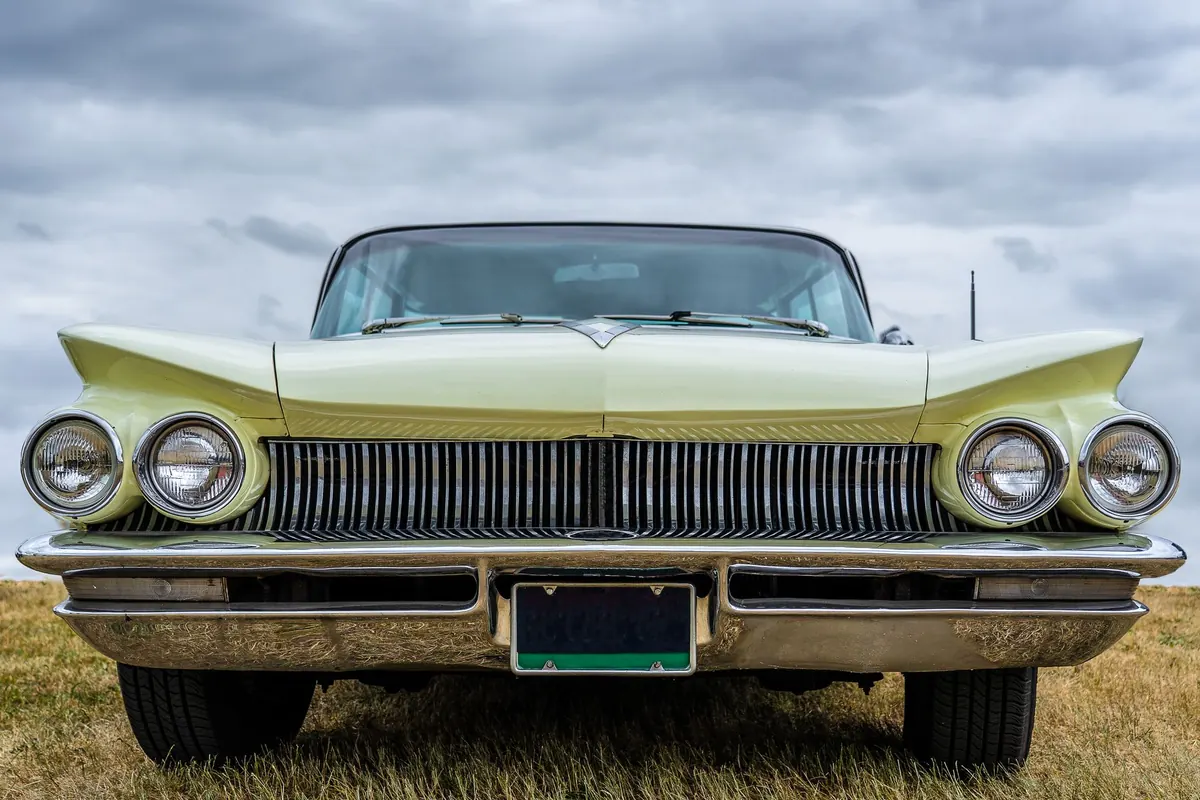
Photo: Marcel Condurachi / Pexels

You Might Also Like
A practical guide to planning a local car meet, from picking a venue and handling insurance to promotion, marshalling and clearing up afterwards.
A practical guide to car shows, classic meets and track days across the Severn region in 2024, with the venues worth planning around and tips for a good day out.