2024 Family Car Comparison: Best Used SUVs Under £15,000
Fifteen thousand pounds sounds like serious money until you start shopping for a family SUV. Then it turns into a set of compromises: an older badge with a generous equipment list, or a newer one with a smaller boot and a modest engine. The reassuring part is that the £10,000–£15,000 band is exactly where some of Britain's most sensible family cars sit, often five to eight years old and still with plenty of life left in them. Here's how to sort the strong from the tired before you part with your money.
What £15,000 Buys You Right Now
In practice, that budget puts you in front of two broad choices. The first is a mainstream family SUV from around 2016–2019 with 50,000–80,000 miles showing — the sort of car that came with a five-star safety rating, climate control and a reversing camera when new. Think Nissan Qashqai, Ford Kuga, SEAT Ateca, Skoda Karoq, Peugeot 3008, Renault Kadjar, Vauxhall Grandland X, Mazda CX-5, Kia Sportage and Hyundai Tucson.
The second is a newer car from a value-focused brand, or a slightly older premium-adjacent model with higher mileage. A 2020-onwards Dacia Duster or MG ZS, a well-kept Honda CR-V, or a higher-mileage Volkswagen Tiguan all appear around this money. None of these is automatically the better buy. What matters more is the individual car in front of you: its service record, its MOT history and how it has been driven.
Running Costs: Where the Money Actually Goes
Purchase price is the easy part. A family SUV will typically consume more than a hatchback in every other direction, and the gap between two similar-looking cars can be surprisingly wide.
- Fuel: petrol versions in this class usually manage mid-30s to low-40s mpg in mixed use; diesels do better on longer runs but worse on short ones.
- Road tax: cars registered before April 2017 are taxed on CO2 bands, so some low-emission diesels are very cheap to tax and some petrols are not. Most cars registered after April 2017 pay a standard annual rate, with a supplement for the first few years on models that listed above £40,000 when new. Check the individual car's band, not the model's reputation.
- Insurance: a few groups either way can mean hundreds of pounds a year. Get a quote against the registration number before you agree a price.
- Tyres: 18- and 19-inch wheels look excellent and cost accordingly. Four matching premium tyres on a large SUV can easily run into several hundred pounds, so check tread depth and brand consistency as a negotiating point.
- Servicing: dual-clutch gearboxes need fluid changes on schedule, some engines use timing belts rather than chains, and diesels want a fuel filter at the right intervals. Ask for the receipts, not just the stamp.
Petrol or diesel?
If most of your journeys are short school runs and town trips, petrol is usually the simpler answer. Modern diesel engines rely on particulate filters that need longer, warmer runs to regenerate properly, and a clogged filter is an expensive thing to discover after purchase. If you regularly cover motorway miles or tow a caravan, a diesel still makes sense — provided its history shows the right kind of use.
If you are borrowing to buy, work out the total cost of credit before you fall for a particular car, and treat that figure as part of the price. Independent money advice is worth taking if the sums are tight.
Safety: What's Standard, What's Optional
Euro NCAP ratings apply to a specific model year and specification, not to a nameplate forever. A car rated five stars in 2015 may have gained or lost equipment by 2019, and automatic emergency braking was optional on plenty of cars that are now in this price bracket. So check the exact year and trim.
More useful on a used forecourt: does the car have rear parking sensors or a camera, blind spot monitoring, and a full set of matching tyres? Are the brake discs free of deep lips and the pads above minimum? A well-maintained older car with good rubber will keep a family safer than a neglected newer one with a nicer badge. Check that child seats fit properly, that Isofix points are present on the outer rear seats and that any top tether anchors are intact.
Practicality: The Details That Decide It
Boot litres get all the attention, but shape matters more. A deep, square well swallows a pushchair and a weekly shop; a shallow, sloping one does not, however impressive the number. Between models in this class you will find roughly 400 to 600 litres depending on whether the rear bench slides.
Things worth testing on the day:
- Fold the rear seats and check the load floor is genuinely flat.
- Sit behind your own driving position and check knee and head room.
- Try three child seats across the back if that is your reality.
- Lift the boot floor and see whether there is a spare wheel or just a repair kit.
- Check the tailgate height and load lip if you regularly lift heavy items.
- Look at the towing limit and roof load if bikes or a caravan are involved.
Five Sensible Contenders to Test Drive
- Skoda Karoq — practical, tidy to drive, strong parts availability; the sliding rear bench on some versions is genuinely useful.
- Nissan Qashqai — huge choice, comfortable ride, easy to find with a full history.
- Mazda CX-5 — sharp steering and a solid feel; petrol versions are simple and reliable when serviced.
- Kia Sportage / Hyundai Tucson — generous equipment and long warranties on newer examples.
- SEAT Ateca — the sharper-driving relation to the Karoq, with the same practical footprint.
Checks Worth Doing Before You Hand Over Money
Around the Severn, flood-damaged cars occasionally surface after a wet winter, and rural lanes are hard on suspension. Take a torch and look for silt under the seats, damp carpets, misted lamps and corrosion on seat rails. Pull the free MOT history online and read the advisories, not just the passes — repeated notes about tyres, bushes or corrosion tell you how the car has been treated.
Do a cold start, not a warm one. A diesel that rattles or smokes from cold is telling you something. Then drive a route that includes a rough road, a hill and a tight car park. Listen for knocks over bumps, feel for clutch slip or jerky automatic changes, and check every switch, window and air-conditioning vent. A paid pre-purchase inspection is money well spent on a car at this price, and a history check against outstanding finance or insurance write-offs is essential.
Choosing Well
Write down what you actually need — number of seats, boot space, annual mileage, towing — before you go looking, then rank your top three models and drive all of them. Budget a few hundred pounds on top of the purchase price for a set of tyres, a service and any small fixes, because no used car at this money arrives perfect. Buy the car with the clearest history and the owner who answers questions without hesitation, and walk away from anything that does not add up. Patience costs nothing; a bad £14,000 decision costs a great deal.
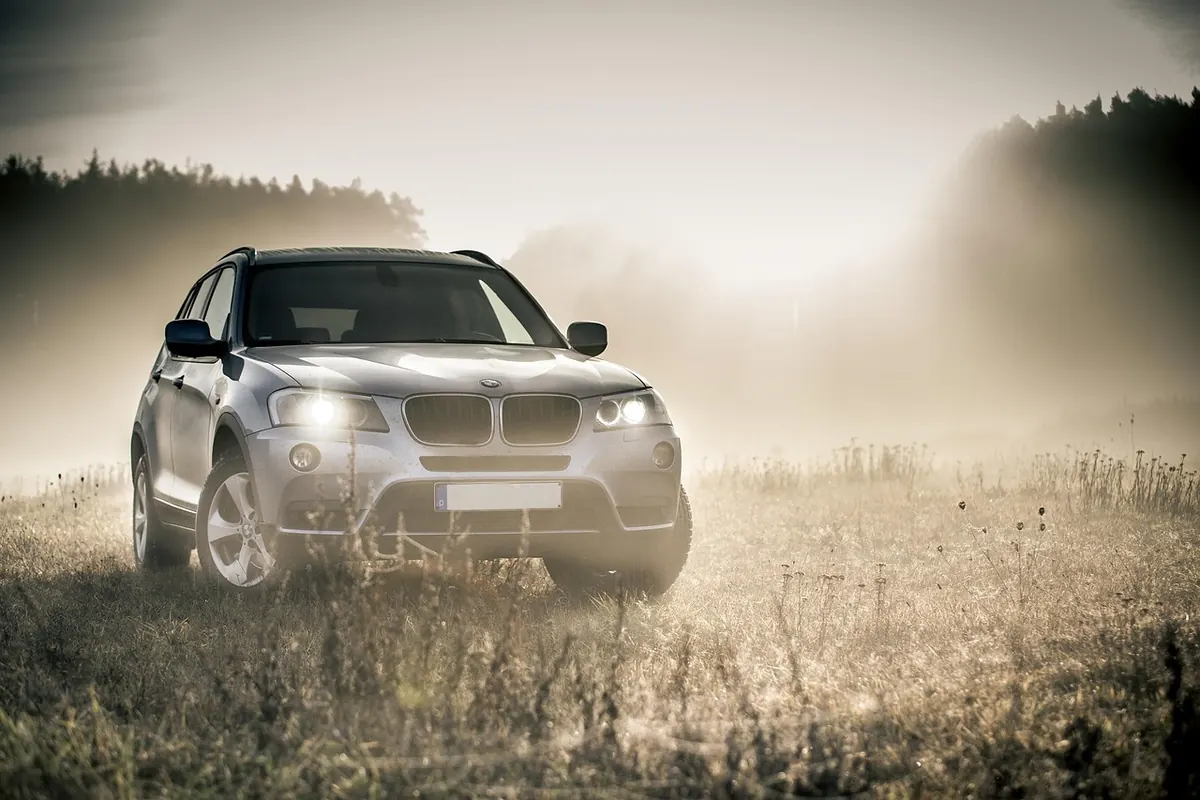
Photo: Riedelmeier / Pixabay


You Might Also Like
A practical guide to planning a local car meet, from picking a venue and handling insurance to promotion, marshalling and clearing up afterwards.
A practical guide to car shows, classic meets and track days across the Severn region in 2024, with the venues worth planning around and tips for a good day out.